Measure tunnel and pipeline condition where cameras can’t see
Integrate pipe profiling sonar with your Boxfish ROV to capture accurate geometric data inside submerged pipes and tunnels.
Unlike camera-based inspection, which relies on visibility, pipe profiling sonar measures the internal shape of a structure using sound. This enables reliable inspection in environments where water clarity, lighting, or access constraints make other methods ineffective.
What is Pipe Profiling Sonar?
Pipe profiling sonar is a specialised acoustic sensor designed to measure the internal geometry of pipes, tunnels, and enclosed underwater infrastructure.
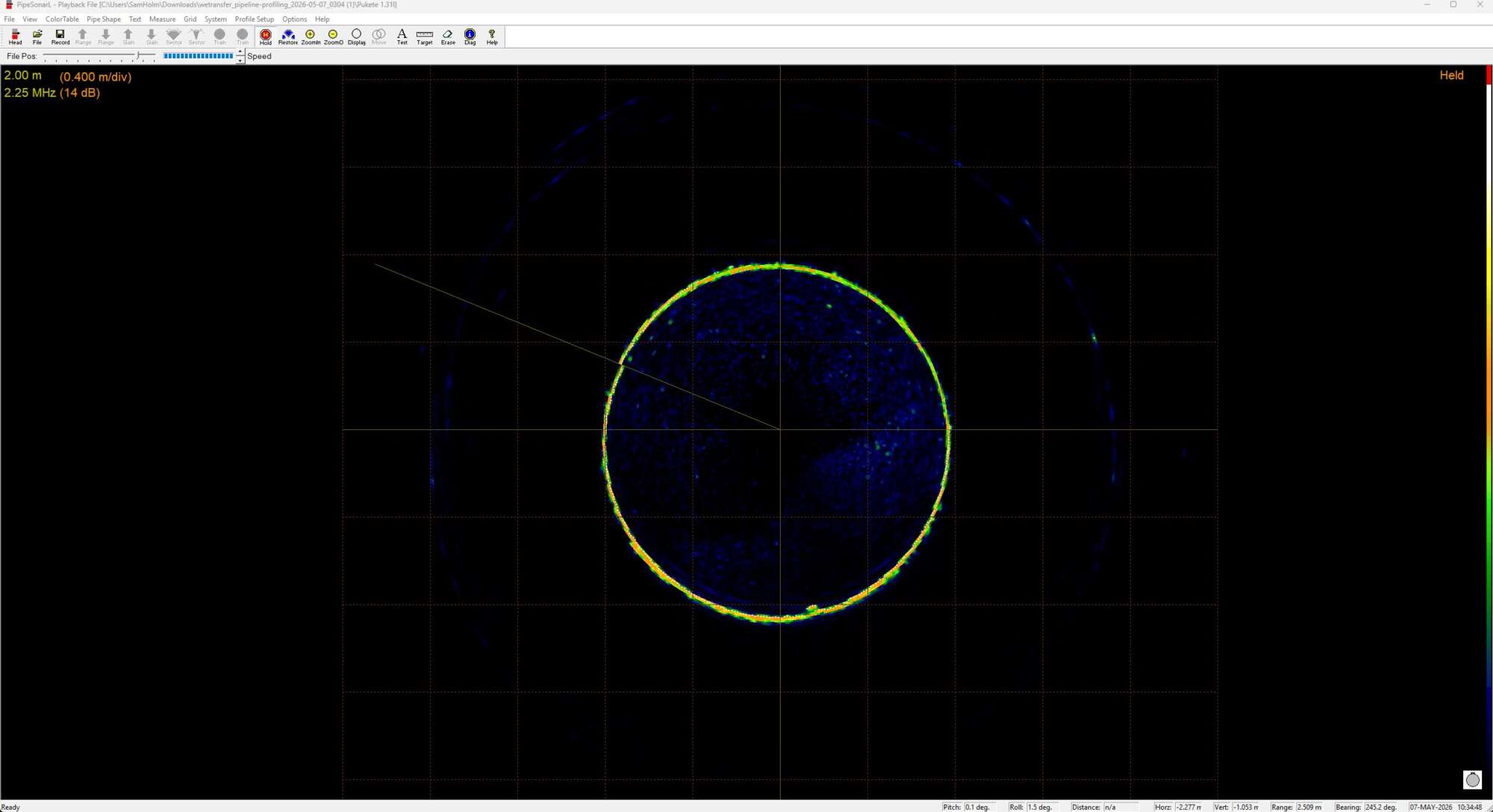
Rather than producing forward-looking imagery, the sonar continuously scans around the vehicle to capture a full cross‑section of the structure. Each rotation produces a detailed acoustic profile, allowing the operator to understand the true shape of the pipe, including deformation, sediment, and structural variation.
Because it is based on sound rather than light, the system performs consistently in turbid water and complete darkness.
How does Pipe Profiling Work?
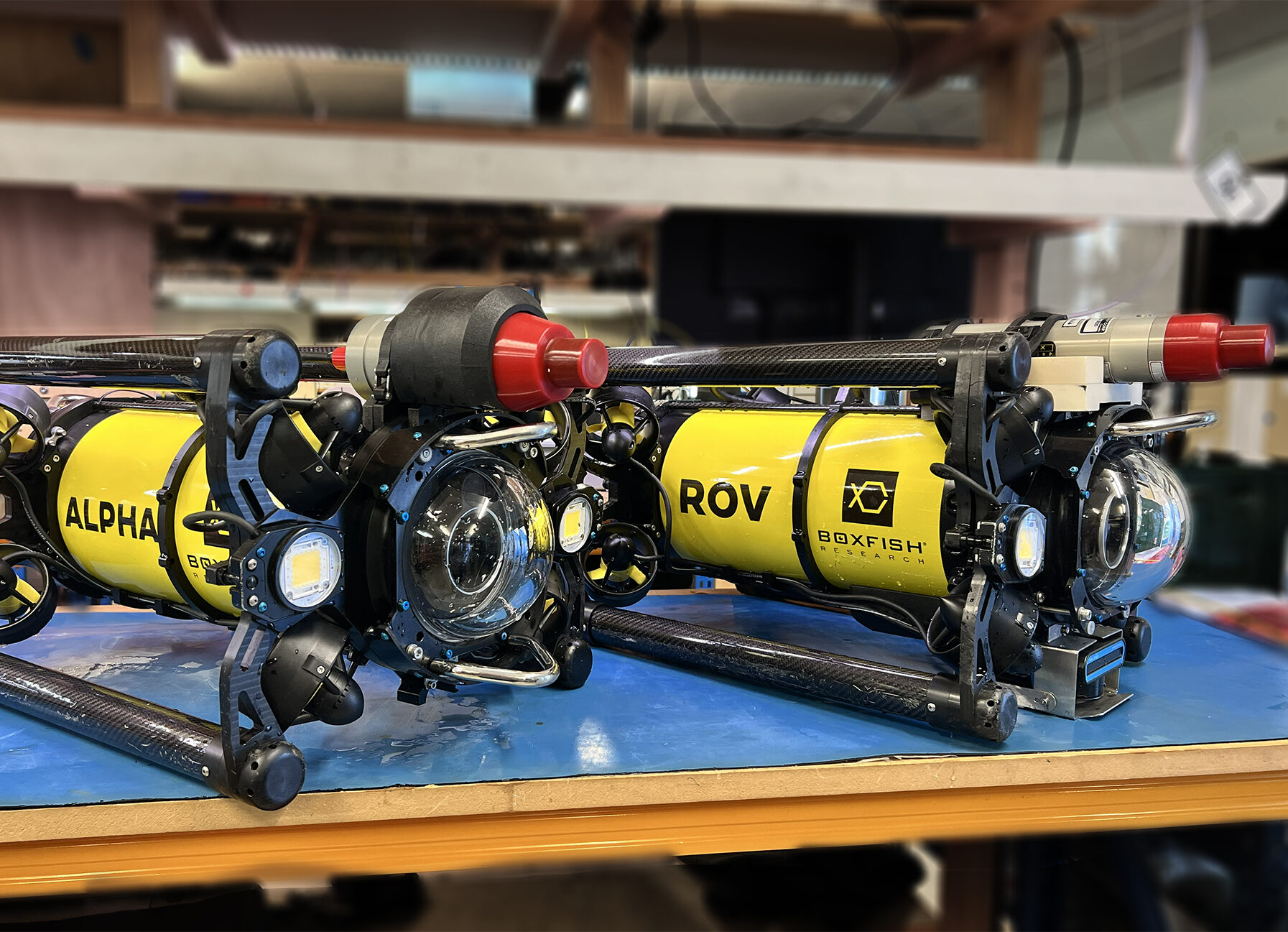
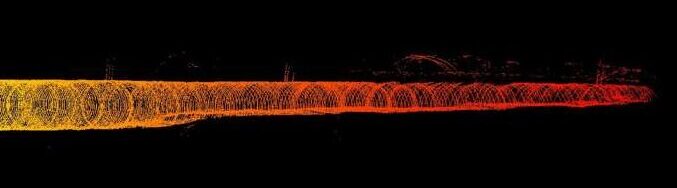
The profiling sonar is mounted at the front of the ROV and rotates through 360 degrees as the vehicle moves forward. Each scan captures a full circular cross‑section of the pipe or tunnel, which is displayed in real time as a measurable profile.
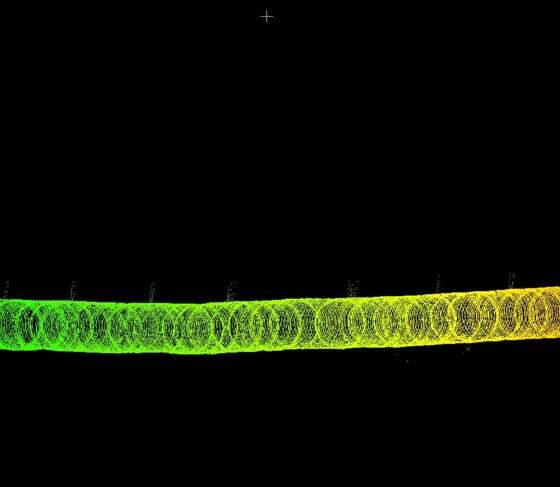
As the inspection progresses, these individual profiles are recorded continuously. When combined with distance measurements and vehicle navigation data, they can be reconstructed into a continuous model of the structure, providing a detailed representation of internal geometry over the full length of the asset.
This approach allows not only visualisation, but measurement, including pipe diameter, ovality, and sediment accumulation, with millimetre‑level resolution depending on configuration.
Imagenex 831L Specification
| Maximum operating depth | 1,000 m |
| Profiling range | 0.125–6 m |
| Range resolution | 0.5 mm |
| Scan | 360° |
| Frequency | 2.25 MHz |
From Profiles to 3D Models
The true value of pipe profiling lies in how the data can be used after the mission.
As the ROV moves through a pipe or tunnel, the profiling sonar captures a continuous series of cross‑sections. When combined with distance, heading, and depth data from the ROV, these profiles can be processed into a three‑dimensional model of the structure.
This provides a clear advantage over visual inspection alone, enabling asset owners to understand structural condition in measurable terms and track changes over time.
Typical Applications
Pipe profiling sonar is used in a range of inspection scenarios where understanding internal geometry is critical. This includes water conveyance tunnels, hydroelectric infrastructure, stormwater and wastewater networks, and industrial pipelines.
In longer or more complex structures, especially where access is limited and visibility is poor, acoustic profiling provides a reliable and repeatable method for capturing inspection data without the need for dewatering or confined space entry.
Using Pipe Profiling Sonar with Your Boxfish ROV
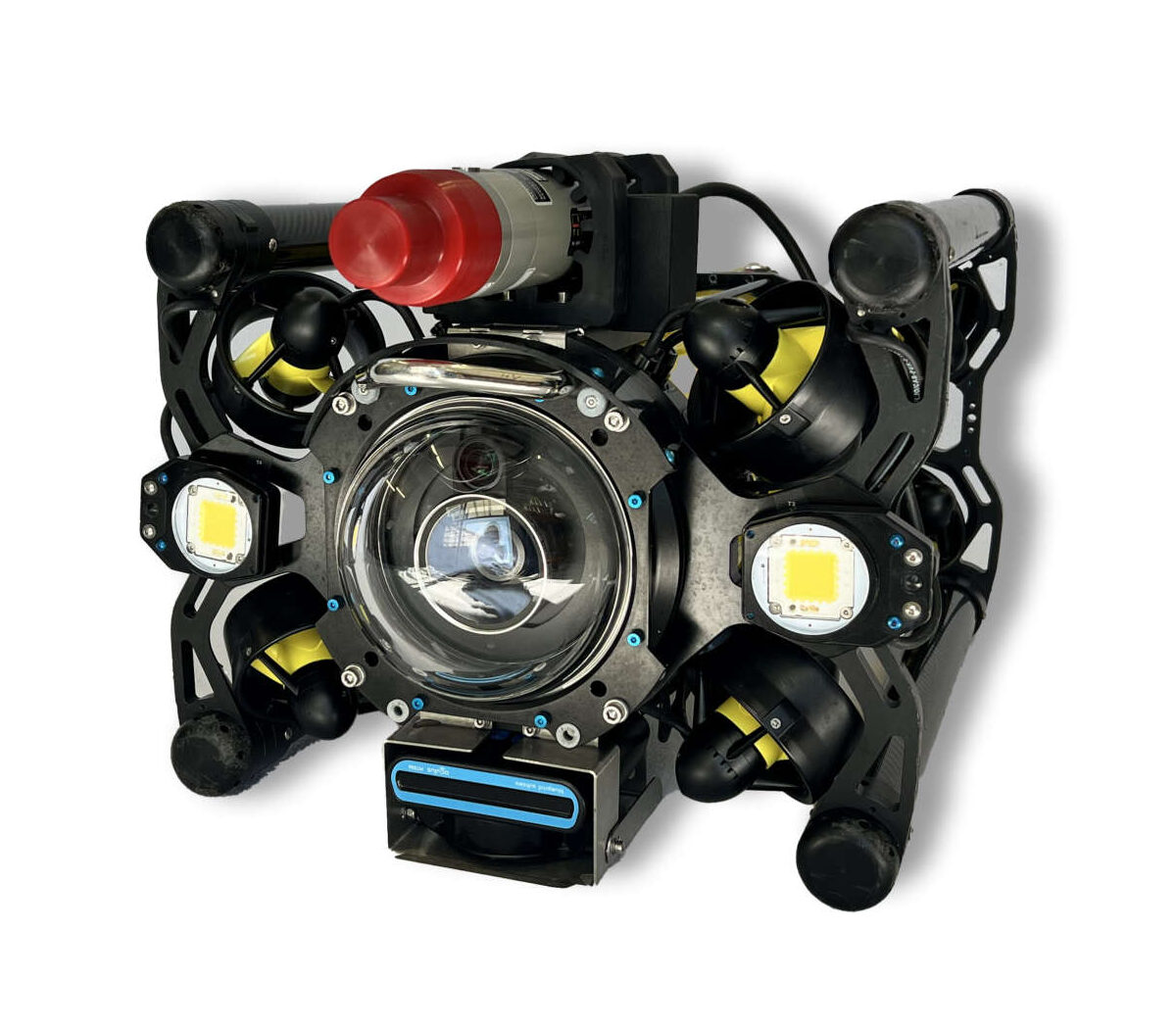
Pipe profiling sonar systems integrate directly with the Boxfish ROV platform, allowing operators to collect measurement data alongside video and navigation outputs in a single deployment. Excellent data synchronisation allows 3D models to be built from multiple data sources.
The stability and control of the ROV are important for maintaining consistent data capture, particularly in confined environments such as tunnels or pipes. The system can also utilise distance measurement inputs from the ROV to support accurate reconstruction of the inspected structure over its full length. Tether options up to 3,000 m+ are available to support extended inspection missions.
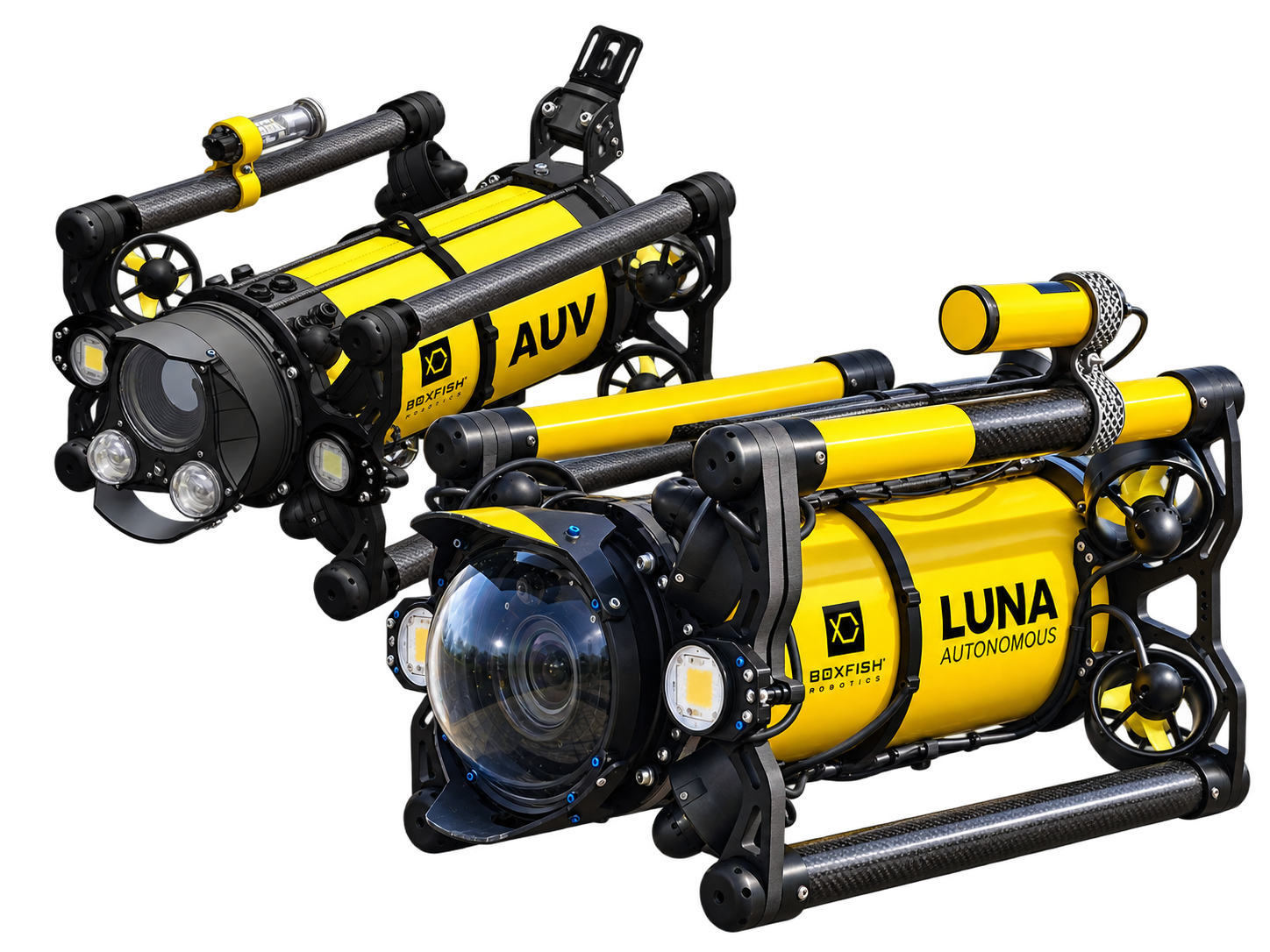
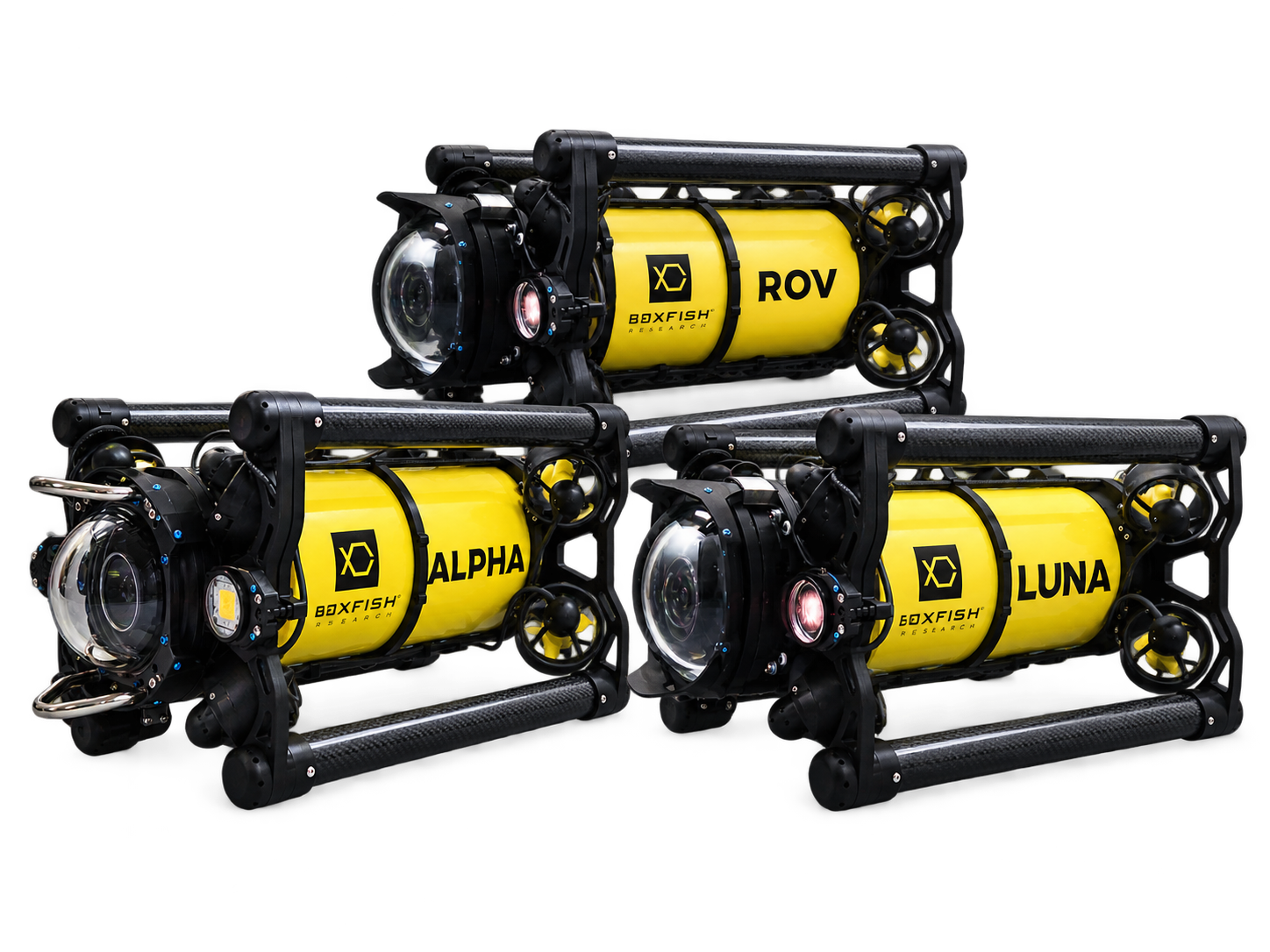
Pipe profiling sonar can be integrated with any Boxfish ROV platform: Boxfish Alpha, Boxfish ROV or Boxfish Luna.
Case study ROV Based Sonar Tunnel Inspection
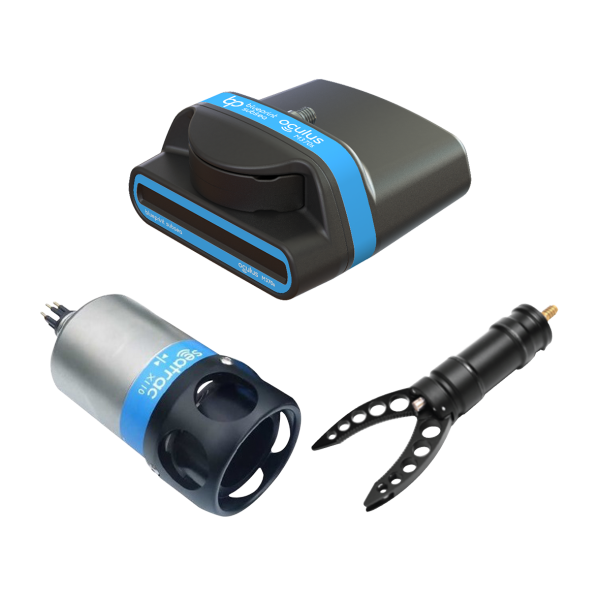
Expand your Boxfish with add‑ons
Integrate sonar, measurement tools, power brush and custom payloads to extend operational range, improve data capture and adapt to complex inspection tasks.